Mobile Processors Explained: Snapdragon, Dimensity and What Actually Powers Your Phone
Every phone spec sheet lists a processor, and most buyers just skim past it. Fair enough, "Snapdragon 8 Elite Gen 5" or "Dimensity 9500" doesn't mean much on its own. But this one component decides more about your day to day experience than almost anything else on the sheet, including how fast apps open, how hot the phone gets in your pocket, how long the battery lasts, and even how good your photos turn out.
If you're trying to make sense of it all before your next purchase, this guide breaks it down in plain language.
What a Mobile Processor Actually Does
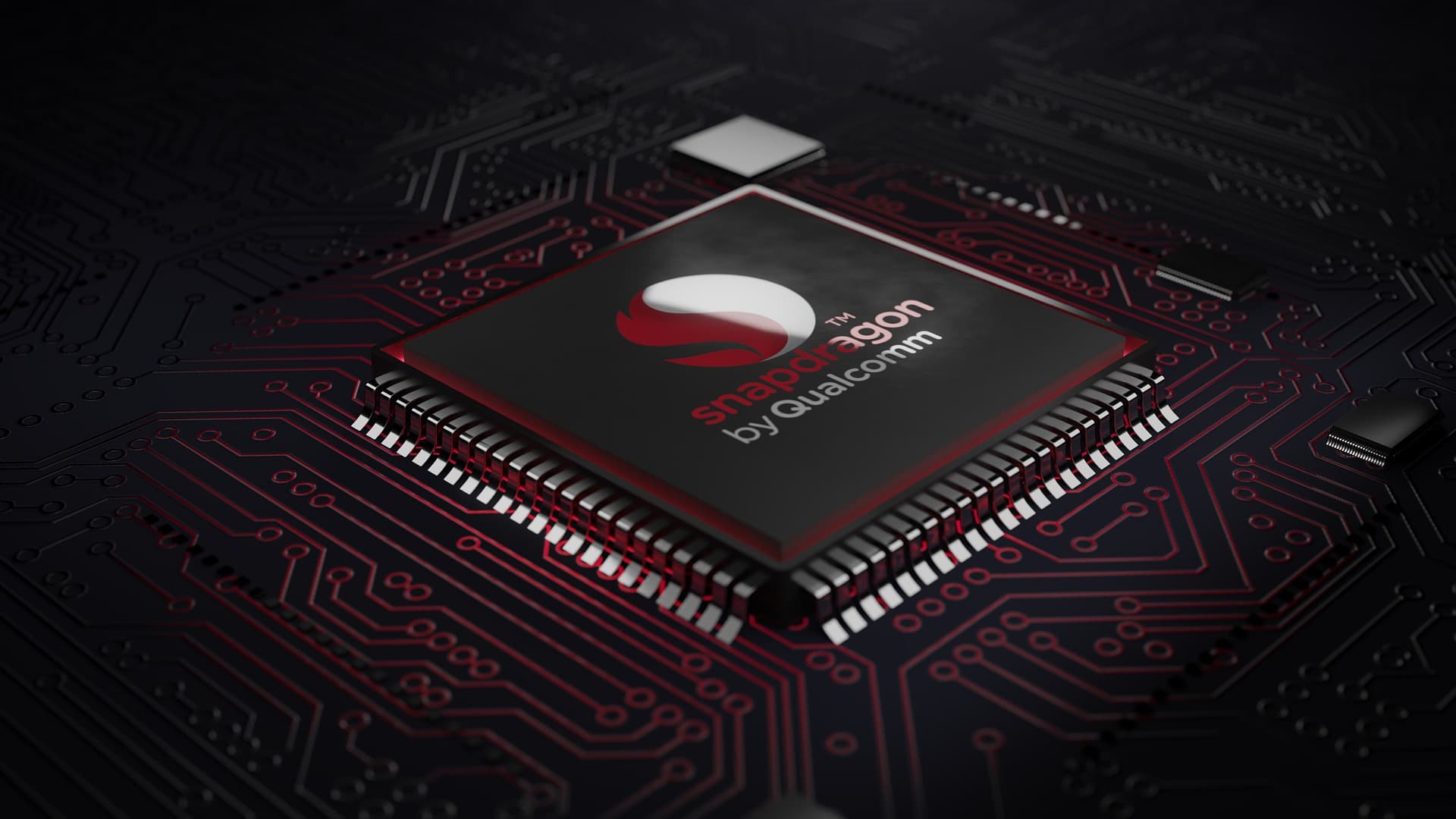
The processor, often called a chipset or SoC (system on a chip), is the brain of the phone. It's not just one chip either, it bundles together the CPU (general processing), the GPU (graphics and gaming), the NPU (AI tasks like photo processing and voice assistants), and the modem (your network signal and speed).
Two brands dominate the Android world: Qualcomm's Snapdragon and MediaTek's Dimensity. A few others, like Samsung's Exynos and Google's Tensor, show up in specific phone families. Apple builds its own A-series and M-series chips exclusively for iPhones.
Qualcomm Snapdragon
Snapdragon has long been the default choice for flagship Android phones, and for good reason. Qualcomm designs its own custom CPU cores (branded Oryon in the latest chips) rather than relying purely on stock Arm designs, which tends to give it an edge in raw single-core speed and multitasking muscle.
The current flagship, the Snapdragon 8 Elite Gen 5, leads comfortably in CPU benchmarks and general responsiveness, and its modem tends to deliver the most reliable 5G connectivity, something worth caring about if you travel or move between networks often. It also tends to run warmer under sustained load than its MediaTek rival, though most everyday users won't notice this outside of long gaming sessions.
You'll find Snapdragon chips across a wide range of phones we carry, and it's worth checking our Xiaomi 17 Ultra review to see how the Snapdragon 8 Elite Gen 5 performs in real conditions, not just lab benchmarks.
MediaTek Dimensity
Lets understand what is 'dimensity' when it comes to mobile phone.
MediaTek used to be seen as the budget option, but that reputation is outdated. The Dimensity 9500 now goes toe to toe with Qualcomm's best, and in some areas, like GPU performance, ray tracing, and battery efficiency, it actually pulls ahead.
Dimensity's "all big core" CPU design and the newer NPU 990 also make it genuinely strong at running AI tasks directly on the device rather than relying on the cloud, which matters when data costs money or connectivity isn't always steady.
We reviewed a great example of this chip in action in our Xiaomi 17T Pro review, where the Dimensity 9500 pairs with a 7,000mAh battery for genuinely impressive all day use.
Snapdragon vs Dimensity: Which Should You Actually Care About?
Here's the honest answer: for most buyers, the difference between the top Snapdragon and top Dimensity chip in daily use is small. Where it does matter:
Gaming for long sessions: Dimensity chips currently run cooler and hold performance steadier over time.
Heavy multitasking and single app speed: Snapdragon still leads in raw CPU benchmarks.
Network reliability: Snapdragon's modem has a slight, consistent edge.
On device AI and battery efficiency: Dimensity has closed the gap and, in some tasks, moved ahead.
Neither is a wrong choice. What matters more in practice is how well a phone's brand tunes the chip, cools it, and pairs it with the battery and display, which is exactly why we test full phones rather than just quoting spec sheets. Our tech news section has detailed breakdowns of how these chips actually perform once they're inside real devices sold in Kenya.
What About Exynos and Tensor?
Samsung's Exynos chips power some Galaxy models outside the US and offer a decent middle ground, solid everyday performance without matching Snapdragon or Dimensity at the very top end. Google's Tensor chips, used in Pixel phones, are built more around AI and camera processing than raw benchmark scores, which is part of why Pixel photography punches above its weight despite modest paper specs.
If camera performance is your main buying driver rather than the chip itself, it's worth reading our guide to how smartphone camera lenses actually work, since the processor and the camera sensor work together far more closely than people assume.
Don't Forget Unisoc, and the Smaller Players
Snapdragon and Dimensity get most of the attention, but there is a third name you'll run into constantly if you shop the budget end of the market: Unisoc. It's now the fourth largest mobile processor maker in the world, and it powers a huge share of phones priced under KES 15,000, including many entry level models from Infinix, Tecno, itel, Redmi, and Realme.
Unisoc chips like the T606 and T7250 aren't built to impress on a benchmark chart. They're built to keep a budget phone reliable for calls, messaging, WhatsApp, and light browsing without draining the battery or pushing the price up. If you're buying a phone purely as a dependable daily driver rather than a gaming or camera powerhouse, a Unisoc powered device is often exactly the right tool for the job, not a compromise. It's a big part of why our guide to the best phones under KES 30,000 covers so many devices worth considering at that price point.
A few other names round out the picture but rarely show up on phones sold in Kenya. Huawei's own Kirin chips still power its premium lineup, but export restrictions mean you'll almost never see one on a phone sold locally. Samsung's Exynos chips appear in select non-US Galaxy models, and Google's Tensor chips are exclusive to Pixel phones, both niche in this market. Apple's A-series and M-series chips, meanwhile, only ever appear in Apple's own devices.
So the honest, practical shortlist for anyone shopping locally comes down to three names: Snapdragon for flagship and upper mid-range performance, Dimensity for strong mid-range and flagship value, and Unisoc for dependable entry level phones. Everything else is either imported in small numbers or simply not part of the Kenyan retail market.
How to Actually Use This When Buying a Phone
Skip the marketing names for a second and ask yourself three things:
What do I mainly use my phone for, gaming, photography, work, or just everyday browsing and social media?
How long do I plan to keep this phone? Newer chips age better against future apps and updates.
What's my budget? A slightly older flagship chip in a well cooled phone often beats a newer mid range chip in daily use.
If you're shopping on a student budget, our guide to the best phones under KES 30,000 breaks down which chipsets give you the most for your money at that price point. And if brand loyalty plays a role in your decision, our explainer on Xiaomi, Redmi and POCO covers which chipsets each sub brand typically uses and why.
The Bottom Line
The chipset war between Qualcomm and MediaTek has genuinely narrowed, and that's good news for buyers, more competition tends to mean better phones at every price point. Rather than chasing a brand name on a spec sheet, look at how a specific phone performs in the real world.
Browse our full range of brand new phones to compare current Snapdragon and Dimensity powered models, or check our tech news page for more in-depth reviews and buying guides tailored for Kenyan buyers.