Smartphone Camera Lenses Explained: Main Sensor, Ultra Wide, Telephoto and Optical Zoom
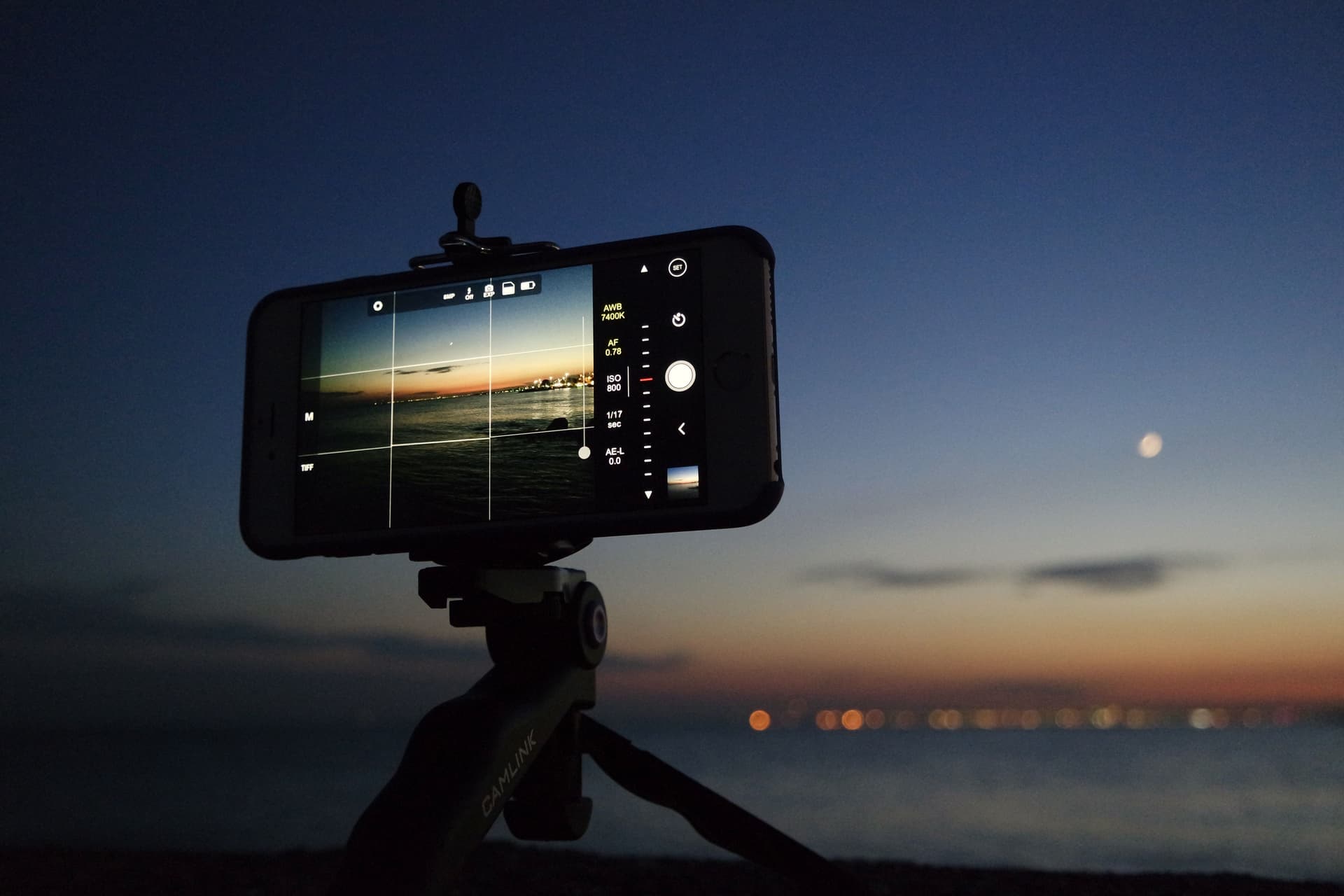
Walk into any phone shop in Nairobi and you will see spec sheets packed with numbers like 108MP, 5x optical zoom, or triple camera setup. It sounds impressive, but what does it actually mean for the photos you take? If you are shopping for a new device on talisaphones.co.ke, understanding your camera options will help you pick a phone that matches how you actually use it, instead of paying for features you will never touch.
In this guide we break down the four terms that show up on almost every modern camera phone: the main sensor, the ultra wide lens, the telephoto lens, and optical zoom.
What Is the Main Sensor?
The main sensor, sometimes called the primary or wide lens, is the camera your phone uses by default. It captures the most light and detail of any lens on the device, which is why manufacturers put their biggest, most advanced sensor here.
A larger sensor with bigger individual pixels lets in more light. This matters far more than megapixel count alone. A phone with a 50MP main sensor and good pixel size can often outperform a 108MP sensor with tiny, cramped pixels, especially in low light such as evening shots around Nairobi or indoor photos at a family event.
When you are comparing phones, look at:
Sensor size (bigger is generally better for light gathering)
Aperture number, written as f/1.8 or similar (a lower number lets in more light)
Image stabilization, often labeled OIS (optical image stabilization)
If you only ever look at one spec before buying, make it the main sensor, since this is the lens you will use for roughly 80 percent of your photos.
What Is an Ultra Wide Lens?
An ultra wide lens has a wider field of view than the main sensor, letting you fit more of a scene into a single frame without stepping backward. This is the lens you want for:
Landscape and scenery shots, such as the Rift Valley or Nairobi National Park
Group photos where everyone needs to fit in the frame
Tight indoor spaces like small living rooms or shops
Architecture and building shots
The tradeoff is that ultra wide sensors are usually smaller and gather less light than the main sensor, so photos taken in dim conditions with this lens tend to look noisier or softer. It is a specialty tool, not a replacement for your main camera.
What Is a Telephoto Lens?
A telephoto lens is built to bring distant subjects closer without you physically moving. It has a narrower field of view than the main lens but a longer focal length, which compresses distance and lets you fill the frame with a subject that is far away.
This lens is useful for:
Portraits, since telephoto lenses naturally flatter facial features and create a pleasing background blur
Wildlife or event photography from a distance
Any situation where you cannot get physically closer to your subject
Not every phone has a dedicated telephoto lens. Budget and mid range phones often simulate zoom digitally using the main sensor instead, which brings us to the most misunderstood spec of all.
What Is Optical Zoom (and How Is It Different From Digital Zoom)?
This is where a lot of buyers get confused, and where some marketing can be misleading.
Optical zoom uses actual glass and a physical telephoto lens to magnify a subject before the image ever reaches the sensor. Because the zoom happens through the lens itself, image quality stays sharp even at higher zoom levels. A phone advertised with 3x or 5x optical zoom has a genuine telephoto lens built for that job.
Digital zoom, on the other hand, is just software cropping and enlarging the image after it has already been captured, the same way you would crop and zoom into a photo on your gallery app. It does not add real detail, and image quality drops noticeably the further you zoom in.
Many phones advertise numbers like "30x zoom" or "50x zoom." In almost every case, only the first few times (often 2x to 5x) are true optical zoom. Everything past that is a mix of optical zoom plus heavy digital cropping and software sharpening, sometimes called hybrid zoom. It can still be useful, but do not expect the same quality as the optical range.
Quick way to check a phone's real capability: look for the specific optical zoom number in the spec sheet (for example "3x optical zoom"), not just the maximum advertised zoom figure.
Putting It All Together: How to Choose
Here is a simple way to think about it based on what you photograph most:
You mostly shoot... | Prioritize |
|---|---|
Everyday photos, food, social media | Strong main sensor with good aperture and OIS |
Landscapes, group shots, tight spaces | Ultra wide lens with a high resolution sensor |
Portraits, concerts, distant subjects | Dedicated telephoto lens with real optical zoom |
A mix of everything | A balanced triple camera setup |
If you want to see how these specs play out in real devices available in Kenya, have a look at our guide to the best camera phones in Kenya or browse our full smartphone collection to compare camera setups side by side. You can also keep up with the latest camera and smartphone releases on our tech news page.
Final Thoughts
Camera specs on a spec sheet do not tell the whole story, but knowing what main sensor, ultra wide, telephoto, and optical zoom actually mean puts you in a much stronger position when comparing phones. Instead of chasing the biggest megapixel number or the flashiest zoom claim, think about what you actually photograph day to day, and choose the camera system that matches it.
Still not sure which phone fits your needs and budget? Visit talisaphones.co.ke or check out our phone buying guide for more tips on choosing your next device.