What mAh Really Means for Your Phone Battery and Power Bank
If you have ever stood in a shop staring at two power banks, one labeled 10,000mAh and another 20,000mAh, and wondered which one actually makes sense for you, you are not alone. mAh is probably the most talked about spec in the battery world, yet it is also one of the most misunderstood. Let's break it down properly, no jargon, no confusion.
So What Is mAh Anyway?
mAh stands for milliamp hour, not milliamperes as some people read it. It is a unit that measures electric charge over time. In plain English, it tells you how much energy a battery can store and, in theory, how long it can deliver power before running dry.
Think of it like the size of a water tank. A bigger tank holds more water, but how long that water lasts still depends on how fast you are using it. A phone with a 5,000mAh battery is not automatically better than one with 4,000mAh. It depends on what is drawing power from that tank, like the screen, the processor, and the apps running in the background.
Why a Bigger mAh Number Doesn't Always Mean Longer Battery Life
This is where a lot of buyers get tripped up. Two phones can have the same battery capacity yet give completely different real world battery life. Why? Because battery life depends on more than just capacity. It also comes down to:
Screen size and resolution - bigger, sharper screens drain power faster
Processor efficiency - some chips sip power, others gulp it
Software optimization - how well the operating system manages background tasks
Network usage - constant 4G or 5G searching burns more juice than Wi-Fi
So when you are comparing phones, mAh is a useful starting point, but it is not the whole story. A good real world example of this is our flagship battery drain test, where we put the Vivo X300 Ultra, OPPO Find X9 Ultra, Xiaomi, Huawei, Samsung, and iPhone through identical drain conditions. The phone with the smallest battery in that lineup, the iPhone, actually outlasted two phones with far bigger cells, while a Huawei model with the smallest Android battery in the test beat out Samsung and both Xiaomi phones. Chip efficiency and software optimization made all the difference, proof that the mAh figure alone rarely tells the full story.
If you want a deeper look at how different phone models stack up in real usage, our tech news section regularly breaks down battery performance across the latest devices.
mAh and Power Banks: What You Actually Need to Know
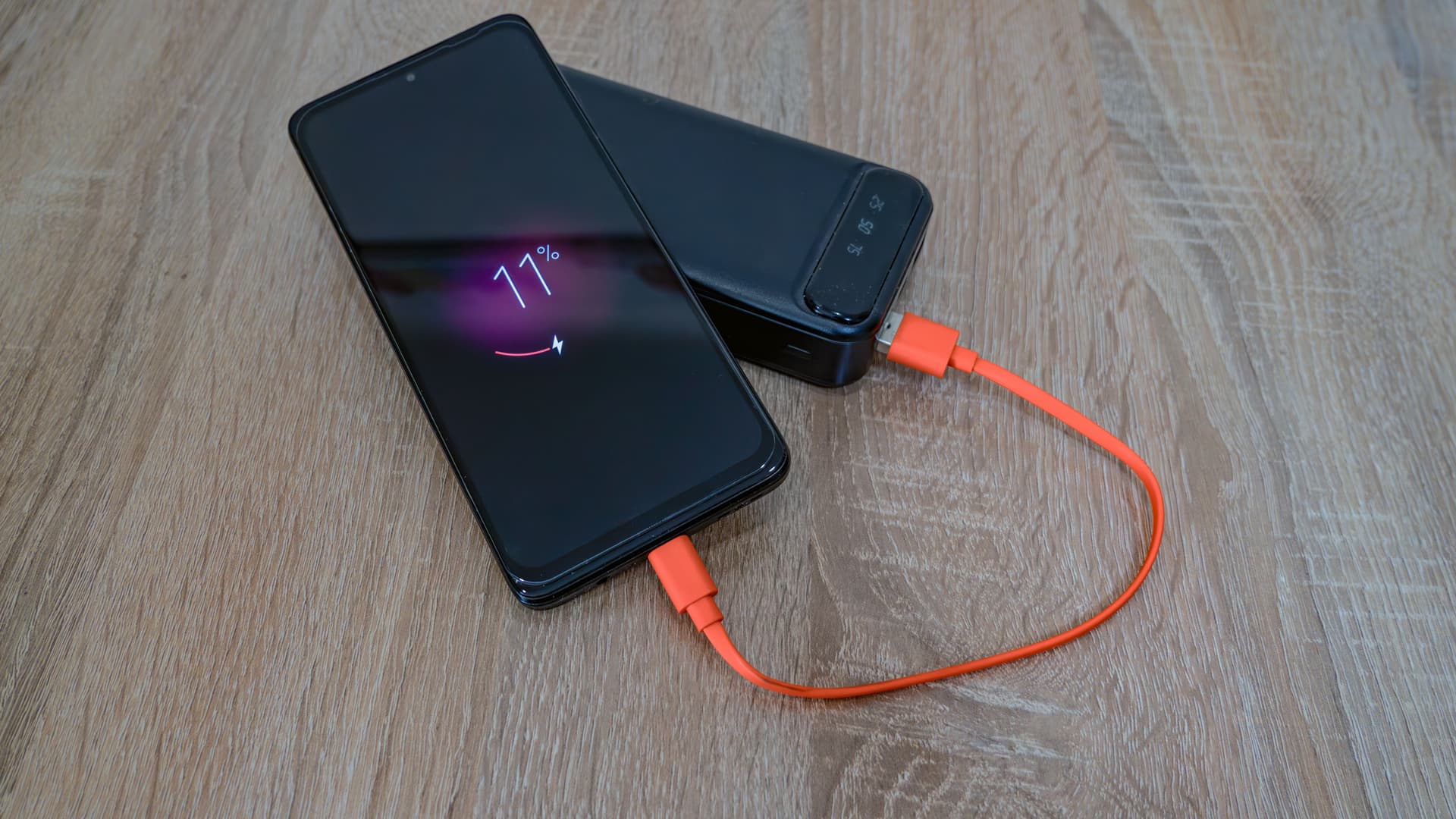
Power banks are where mAh confusion really shows up. Here is the honest truth that most sellers will not tell you upfront: you never get the full advertised capacity out of a power bank.
Why You Lose Capacity Along the Way
When a power bank charges your phone, energy is lost as heat during the conversion process. On average, you can expect to get about 60 to 70 percent of the rated capacity as usable charge. So that 20,000mAh power bank you bought is realistically giving you somewhere around 12,000 to 14,000mAh of actual charging power.
This is not a manufacturing defect or a scam. It is simply how electrical conversion works. Voltage has to be stepped up or down, and that process is never 100 percent efficient.
How to Estimate How Many Charges You'll Get
A quick and fairly reliable way to estimate how many phone charges a power bank will give you is this:
Check your phone's battery capacity in mAh (usually listed in the specs)
Multiply the power bank's capacity by 0.6 to account for conversion loss
Divide that number by your phone's battery capacity
For example, if you have a phone with a 4,000mAh battery and a 10,000mAh power bank, you would get roughly (10,000 x 0.6) divided by 4,000, which comes to about 1.5 full charges.
Choosing the Right mAh for Your Lifestyle
Not everyone needs the biggest power bank on the shelf. Here is a simple guide based on how you actually use your devices.
Light users who mostly text, browse, and make calls can comfortably get by with a phone in the 3,000 to 4,000mAh range and a 5,000 to 10,000mAh power bank for occasional top ups.
Moderate users who stream video, use social media heavily, and game occasionally should look at phones with 4,500mAh or higher and a power bank in the 10,000 to 20,000mAh range.
Heavy users, travelers, and content creators who need their phone charged all day without access to a wall socket should consider power banks above 20,000mAh, ideally with fast charging support so top ups do not take forever.
If you are shopping for a new device or accessory that matches your daily routine, browsing through Talisa Phones is a good place to compare options that fit different budgets and usage needs.
A Few Other Things Worth Knowing
Fast charging and mAh are different things. A power bank can have a huge capacity but still charge slowly if it does not support fast charging protocols. Always check both numbers, capacity and output wattage, before buying.
Battery health matters more over time than the original mAh rating. Phone batteries degrade with use. A battery rated at 4,000mAh when new might only hold 3,200mAh worth of charge after two years of daily charging cycles. This is normal and expected.
Airlines have mAh restrictions on power banks. Most airlines cap carry on power banks at 20,000mAh (about 100Wh) without special approval, and some ban anything above that entirely. Worth checking before you travel with a large one.
The Bottom Line
mAh is a helpful number, but it is only one piece of the puzzle. When buying a phone, look at how efficiently it uses its battery, not just the size of the battery. When buying a power bank, remember that real world output will always be lower than what is printed on the box, and match the capacity to how you actually use your devices rather than just chasing the biggest number available.
Understanding this one spec can save you money and help you avoid buyer's remorse. Next time you are comparing devices, you will know exactly what that mAh number is really telling you.
Looking for a phone or accessory that fits your battery needs? Check out the full range at Talisa Phones, and keep an eye on our tech news page for the latest updates on devices, battery tech, and buying guides.