
Apple Chip Prices Just Went Up: Here's What It Means for Your Next Device
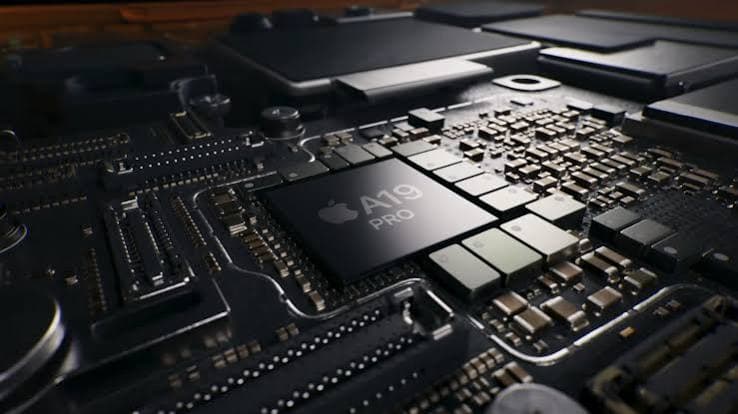
If you've been eyeing a new MacBook or iPad, you may have noticed something: it costs more than it did a few weeks ago. That's not a glitch on Apple's website. It's a real, global price increase, and it's tied to something most of us never think about: the tiny memory chips inside our devices.
Here at Talisa Phones, we get asked this a lot lately: "Why are Apple prices going up, and should I buy now or wait?" So let's break it down in plain language.
What actually happened
In late June 2026, Apple quietly raised prices across several of its most popular products. The base MacBook Air jumped from $1,099 to $1,299. The entry-level MacBook Pro went from $1,699 to $1,999. The affordable MacBook Neo, which was designed as Apple's budget laptop, rose from $599 to $699. iPads, the Apple TV, the HomePod, and even the Vision Pro headset all got more expensive too, with some increases as high as $300 to $500 on a single product.
Apple was refreshingly honest about why. In a public statement, the company said it had shielded customers from rising component costs for as long as it could, but had "reached a point where we need to begin raising prices." Interestingly, iPhones, Apple Watches, AirPods, and the Studio Display were left out of this round, for now.
So why is this happening?
The short answer: artificial intelligence.
AI companies are building data centres at a staggering pace, and those data centres run on a specialised type of memory chip called HBM (high-bandwidth memory). A single AI chip can need dozens of times more memory than an entire consumer laptop. The problem is that HBM and the ordinary memory (RAM) used in your MacBook, iPad, or gaming console are made on the same manufacturing lines. If you've ever wondered how the chip inside your phone actually works, our guide to mobile processors explained is a good place to start.
Because HBM is far more profitable for chipmakers, companies like Samsung, SK Hynix, and Micron have been shifting production capacity toward it. That leaves less regular memory for consumer electronics, which pushes prices up across the board. This isn't unique to Apple either. Microsoft has raised Xbox prices for the same reason, and other laptop and gaming hardware makers are expected to follow.
Analysts are also drawing a distinction from previous chip shortages. The COVID-era shortage was caused by factory shutdowns and logistics failures, problems that resolved themselves once factories reopened. This time, the shortage is structural: memory makers are choosing to prioritise AI customers because it's more profitable. That means it could last considerably longer, with some industry watchers pointing to 2028 or even later before things ease up.
What this means for you, right now
1. Macs and iPads cost more today than they did a month ago. If you've been saving up for one, budgeting a bit more than you originally planned is now sensible.
2. iPhones may be next. Apple kept iPhone pricing steady in this round, largely because phones are its biggest revenue driver and it doesn't want to lose ground in a shrinking smartphone market. But industry analysts widely expect a price increase when the iPhone 18 launches later this year. Estimates for how much vary, but a bump is considered likely rather than optional. Check out our iPhone 18 rumours roundup for everything leaked about the new model so far.
3. Prices probably aren't going back down. Even once memory supply catches up, companies rarely reverse a price increase once customers have adjusted to it. If you're planning a purchase in the next year, waiting for prices to drop isn't a strategy anyone is confidently recommending.
4. Local Kenyan pricing may shift too. While Apple's official increases so far apply mainly to its own online store in markets like the US and UK, global component costs eventually filter down to distributors and retailers everywhere, including here in Kenya. It's worth watching prices closely over the coming months.
What should you do?
If you need a new MacBook, iPad, or other Apple device soon and have been putting it off, there's a reasonable case for buying sooner rather than later, especially before any local price adjustments catch up with the global ones. If you're due for an iPhone upgrade, the current generation may still be your best value, since prices on those haven't moved yet.
Not sure which device makes sense for your budget right now? Talk to our team or browse our current stock at Talisa Phones. We track pricing trends closely so you don't have to guess.
For more updates like this one, keep an eye on our Tech News section, where we break down what's happening in the tech world and what it actually means for shoppers in Kenya.
Have questions about which Apple device is worth buying right now? Reach out to Talisa Phones, we're happy to help you make sense of it.