What Is SFP? A Simple Guide to Small Form-Factor Pluggable Transceivers
If you have ever shopped for a router or switch and seen a small port labeled "SFP" and wondered what it actually does, you are not alone. SFP is one of those terms that gets thrown around a lot in networking circles, especially among ISPs and IT technicians in Kenya, but rarely gets explained in plain language. This guide breaks it down.
SFP Meaning: What Does SFP Stand For?
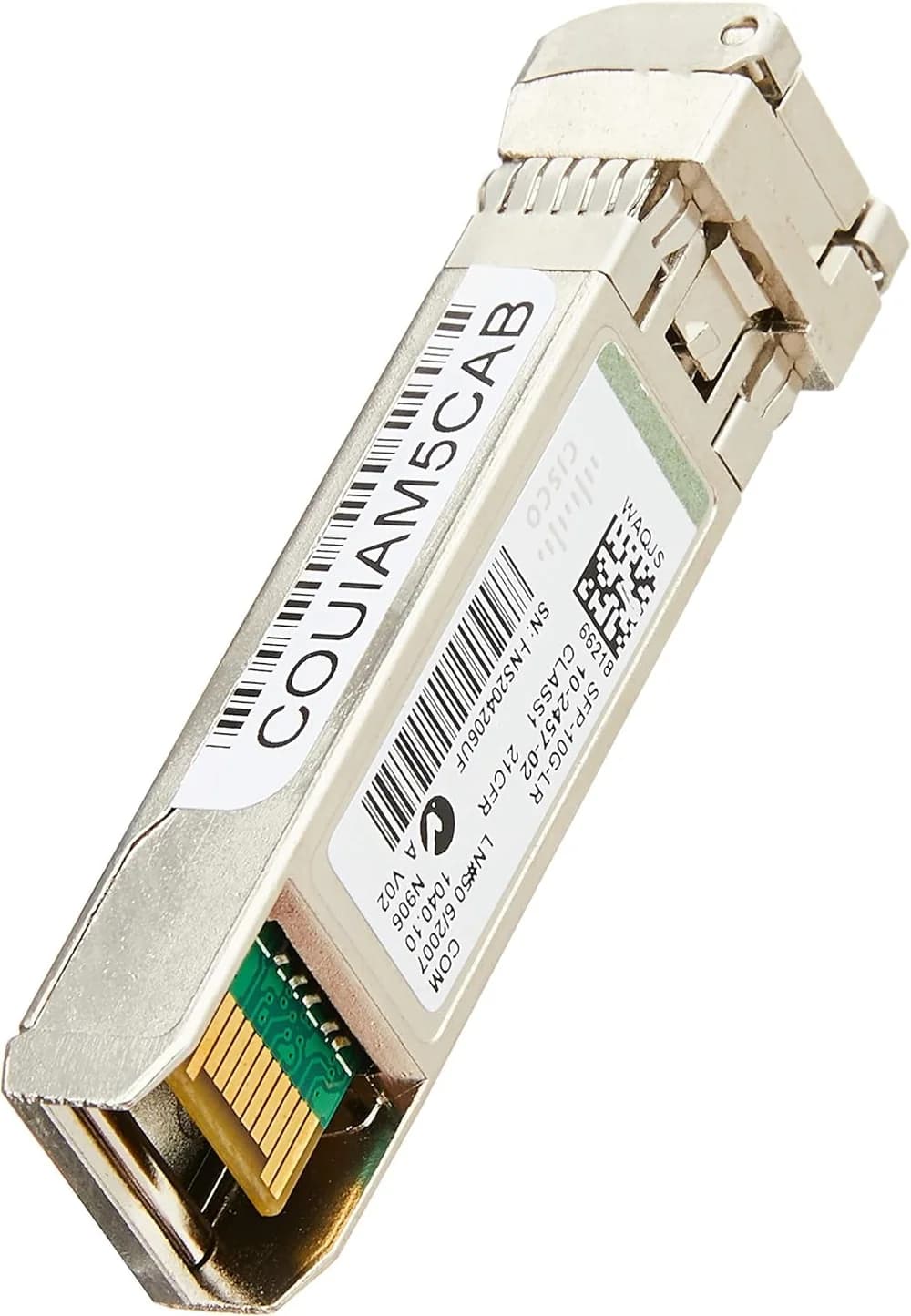
SFP stands for Small Form-factor Pluggable. It is a compact, hot-swappable transceiver module used to connect networking devices such as routers and switches to fiber optic or copper networking cables. Instead of a device having a fixed type of port, an SFP slot lets you plug in different modules depending on what kind of connection you need, fiber for long distance links or copper for short runs.
Think of an SFP port as a universal socket. The port itself does not change, but the module you plug into it determines whether you are running fiber or Ethernet, and how far and how fast that connection can travel.
How SFP Transceivers Work
An SFP module sits between a network device and the cabling. On one end it plugs into the SFP cage on a router, switch, or access point. On the other end it accepts a cable, usually a fiber patch cord with LC connectors, though copper SFP modules that take standard RJ45 cables also exist.
Inside the module, a laser or LED converts electrical signals into light pulses for transmission over fiber, then converts light back into electrical signals on the receiving end. This is what allows data to travel long distances with very little signal loss, something copper cabling struggles to do beyond 100 metres.
SFP vs SFP+: What Is the Difference?
You will often see SFP and SFP+ mentioned together, and while they look almost identical, they are not the same:
SFP supports speeds up to 1 Gbps and is common in standard gigabit routers and switches.
SFP+ supports speeds up to 10 Gbps and is used where higher throughput is needed, such as in ISP backhaul links, data centres, or busier office networks.
Both use the same physical form factor, so an SFP+ port can usually accept a regular SFP module, though you will only get SFP speeds out of it. It is always worth checking your device specifications before buying a module to avoid mismatches.
Why SFP Matters for Businesses and ISPs in Kenya
Kenya's internet service providers rely heavily on fiber optic infrastructure, and SFP ports are the bridge between that fiber backbone and the routers or switches that distribute internet to homes and offices. For ISPs, system integrators, and even medium-sized businesses running their own network infrastructure, SFP ports offer a few real advantages:
Flexibility: swap between fiber and copper modules on the same device as your network grows or changes.
Longer distances: fiber SFP modules can carry a signal for kilometres, far beyond what copper Ethernet allows.
Future-proofing: a device with SFP or SFP+ ports can be upgraded to faster modules without replacing the whole unit.
Cleaner uplinks: SFP ports are commonly used as dedicated uplink ports on switches, keeping high-speed backbone traffic separate from regular Ethernet ports.
Where You Will Find SFP Ports
SFP ports show up on a range of networking gear, not just enterprise-grade equipment. Common examples include:
Routers used by ISPs and larger offices for fiber-to-the-router setups.
Managed switches that need a dedicated fiber uplink to connect to a core switch or ISP handoff point.
Media converters, which change a fiber signal into Ethernet or vice versa.
If your business is setting up or expanding a network in Kenya, it is worth checking the port specifications on any router or switch you are considering. A device with a built-in SFP or SFP+ port gives you far more flexibility down the line than one without.
Browse our full range of routers, switches, and access points to see what fits your setup, or take a closer look at specific SFP-capable devices such as the MikroTik RB4011iGS+RM 10-Port Gigabit Router, which includes an SFP+ port for high-speed fiber uplinks, the MikroTik RB760iGS hEX S Gigabit Router with a built-in SFP port, and the Tenda TEG2226F 24GE+2SFP Cloud Managed Switch, a popular choice for offices needing dedicated fiber uplinks alongside gigabit Ethernet ports.
Choosing the Right SFP Module
Not every SFP module is the same, even within the SFP or SFP+ category. Before buying one, check:
Speed compatibility with your device (1G, 10G, or higher).
Connector type, fiber LC connectors for optical modules or RJ45 for copper SFP modules.
Single-mode vs multi-mode fiber, single-mode for longer distances, multi-mode for shorter, budget-friendly runs.
Vendor compatibility, some routers and switches work best with modules from the same brand, though many accept third-party modules too.
Final Thoughts
SFP technology might seem like a small detail, but it plays a big role in how reliable and scalable a network is, especially for ISPs and growing businesses across Kenya that depend on fiber connectivity. Whether you are setting up a new office network or upgrading an existing one, choosing equipment with SFP or SFP+ ports gives you room to grow without a full hardware overhaul.
Need help picking the right router or switch for your setup? Explore our networking category or get in touch with our team for guidance tailored to your network size and budget.