Phone Charger Wattage Ratings and Prices in Kenya: 18W, 20W, 25W, 35W, 45W, 65W Explained
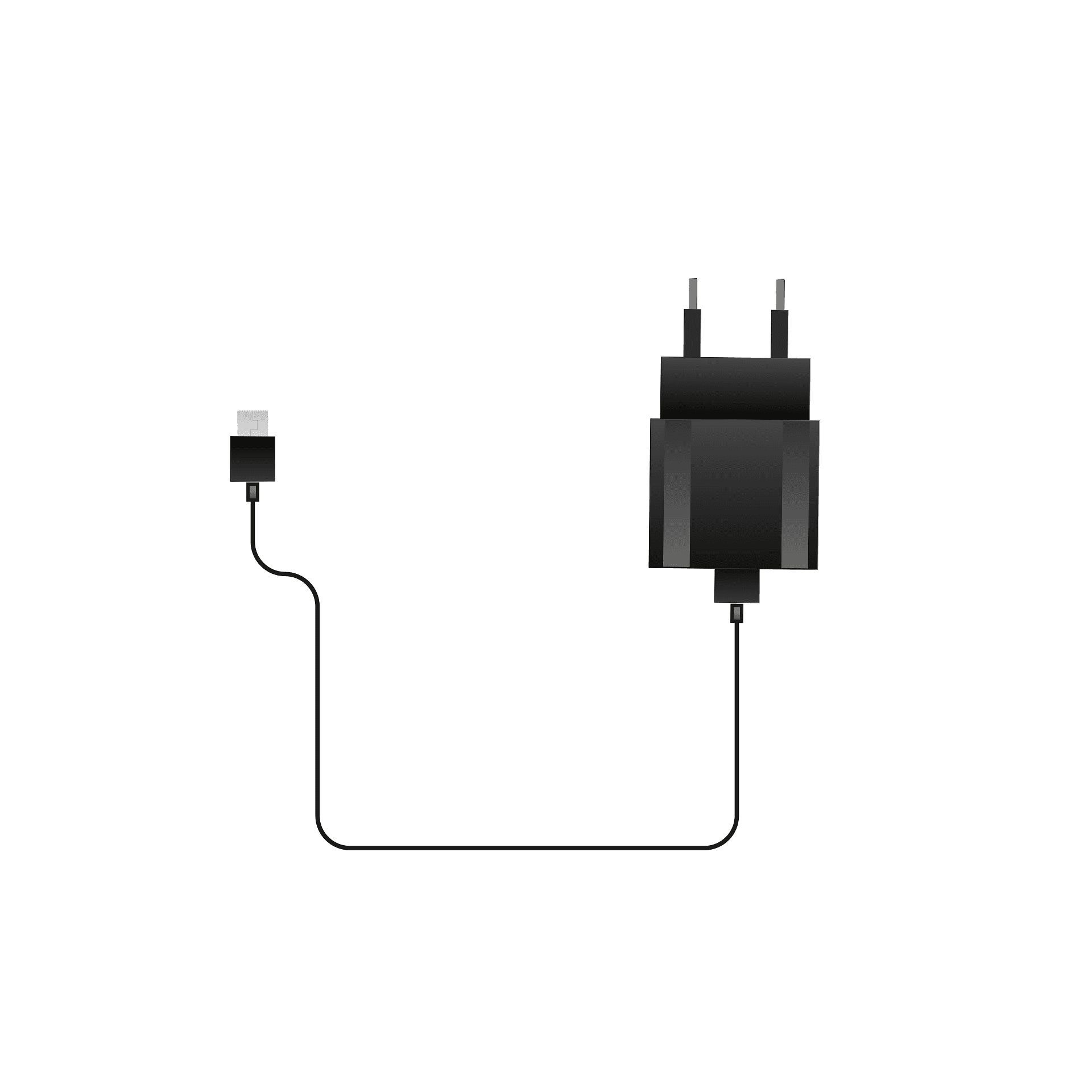
If you have shopped for a replacement charger lately, you have probably noticed the box shouting a number at you. 18W. 20W. 25W. 35W. 45W. 65W. It looks like marketing, but it is actually one of the most useful specs on the packaging, if you know how to read it. Wattage ratings are not random, and they are definitely not interchangeable across every phone. In this guide we break down what each common rating actually means, which devices they suit, roughly what you should expect to pay for each in Kenya, and why the cable in your hand matters just as much as the brick on the wall.
What Does "Watts" Actually Mean?
Wattage is simply a measure of power, and power is voltage multiplied by current (W = V x A). A charger rated at a higher wattage can push more energy into your battery per minute, which is why phones with bigger batteries or fast charging support are paired with higher wattage bricks. But here is the part most people miss: the wattage printed on the box is a maximum, not a guarantee. Your phone and the charger negotiate a safe charging speed together, and the final speed always depends on the weakest link in that chain, whether that is the charger, the cable, or the phone itself.
18W and 20W Chargers: The Modern Baseline
18W and 20W are the most common ratings you will find bundled with entry level and mid range phones, and they are also what Apple has used as its standard fast charging brick for iPhones for several generations. These wattages will comfortably take most phones from empty to around 50 percent in under an hour, a big jump from the old 5W chargers of a decade ago. If your phone's official spec sheet lists 18W or 20W as its maximum, buying a much higher wattage charger will not make it charge any faster.
25W Chargers: The Android Sweet Spot
A 25W charger is the sweet spot for most mid range Android phones and several Samsung Galaxy models. It charges noticeably faster than 18W or 20W bricks, often getting a phone to around 50 percent in half an hour instead of an hour. If your phone supports Samsung's fast charging standard or something similar, 25W is frequently the manufacturer's recommended ceiling, so paying extra for anything higher will not speed things up on that particular device.
35W and 45W Chargers: Bigger Batteries and Dual Ports
35W and 45W chargers step things up a notch and are common with newer flagship Android phones, larger battery devices, and dual port chargers that need to share power between a phone and a smartwatch or earbuds at the same time. Phones with batteries in the 5000mAh to 7000mAh range, like the kind of massive cell found in newer Xiaomi and Redmi flagships, benefit far more from a 35W or 45W charger because there is simply more capacity to fill. We touched on this kind of battery jump in our review of the Xiaomi 17T Pro, which packs a 7,000mAh cell that genuinely needs a stronger charger to charge quickly.
65W and Above: Flagship and Multi Device Territory
Once you get to 65W and beyond, you are usually looking at chargers built for flagship phones with very fast proprietary charging standards, laptops, or multi port bricks designed to power a phone, a tablet, and a pair of earbuds all at once without slowing any of them down. Some newer flagship phones with silicon carbon batteries can hit these speeds and go from empty to full in well under 30 minutes. Unless your device explicitly supports it, this level of wattage is more about future proofing and covering multiple gadgets than a strict daily requirement for a single phone.
Does a Higher Wattage Charger Damage Your Phone?
This is the question we get asked most in store, and the honest answer is no, not under normal circumstances. Modern phones have built in charging controllers that cap how much power they draw, regardless of what the charger is capable of supplying. A 65W charger plugged into a phone that only supports 20W charging will simply charge that phone at 20W, nothing more. The extra headroom on the charger is there for future devices or higher powered gadgets like tablets, not a risk to your current phone.
Does a Lower Wattage Charger Slow Your Phone Down?
Yes, and this is where people run into real problems. If your phone supports 35W fast charging but you are using an old 10W charger, you will get a fraction of the charging speed the phone is capable of. This is the most common reason people think their phone "does not fast charge anymore" when really the charger in use is simply underpowered for the device.
The Cable Matters Just as Much as the Charger
Here is something a lot of buyers overlook. You can spend good money on a proper high wattage charger and still get slow, disappointing charging speeds, and the culprit is often the cable, not the brick. A charger and a phone can agree on a fast charging speed all they want, but the cable sitting between them has to be able to carry that much power safely.
Cheap or worn out cables are usually built with thinner internal wiring to save on cost. Thinner wiring means more resistance, and more resistance means the cable simply cannot carry the full current a fast charger is capable of sending. Plug a genuine 45W charger into a poor quality cable and you might only get 10W to 15W actually reaching your phone, no matter how good the charger itself is.
This is also a safety issue, not just a speed one. Underrated cables running at higher currents can heat up, and over time that heat can damage the cable, the charging port, or in worst cases become a fire risk. It is one of the reasons market chargers and cables sold without proper certification are a false economy, they may look identical to the genuine item but the copper and insulation inside are rarely the same.
A few signs your cable might be the bottleneck rather than your charger or phone:
Charging feels noticeably slower than it used to with the same charger
The cable feels warm to the touch during charging
The connector is loose, frayed, or the cable has visible wear near the ends
Your phone shows a "slow charging" or "charging optimised" message even with a fast charger plugged in
If you want fast charging to actually work as advertised, the charger, the cable, and the phone all need to support the same standard. A mismatched or low quality cable in the chain will always drag the whole setup down to its weakest link.
Charger Price in Kenya: What to Expect by Wattage
Price is usually the deciding factor once buyers know what wattage they need, so here is a rough guide to what you should expect to pay in the Kenyan market. These are general ranges rather than fixed figures, since brand, port count and genuine versus generic build all move the price up or down.
25W charger price in Kenya: Typically falls between KSh 1,500 and KSh 3,500 for a genuine single port fast charger from brands like Samsung, Oraimo or Anker. Generic, uncertified versions can go lower, but that is usually where the corners get cut on internal components.
35W charger price in Kenya: Usually sits between KSh 2,500 and KSh 5,000, with dual port versions from established brands landing toward the higher end since you are paying for two fast charging outputs in one brick.
45W charger price in Kenya: Generally ranges from KSh 4,000 to KSh 7,000. This bracket often includes GaN based chargers, which are smaller and run cooler than older designs, and that added engineering is part of what you are paying for.
65W charger price in Kenya: Typically priced between KSh 5,000 and KSh 9,000, especially for multi port bricks that can split power across a phone, tablet and laptop at once. Genuine flagship brand chargers at this wattage sit at the upper end of that range.
Keep in mind that these figures shift with promotions, stock, and new model releases, so treat them as a planning guide rather than a fixed price list. For the exact, current prices on genuine stock, check our live chargers collection, which is updated as new units come in and as prices change.
How to Pick the Right Charger for Your Phone
Check your phone's original charging spec, usually listed in the settings menu or on the manufacturer's spec sheet
Match the charger wattage to that spec or slightly above it, never below
If you use wireless earbuds or a smartwatch alongside your phone, consider a dual port charger so you are not juggling bricks
Pair any high wattage charger with a cable rated to carry that same wattage, otherwise you will not see the benefit
Always buy chargers and cables with proper safety certification rather than unbranded market versions, since cheap electronics are one of the leading causes of phone battery damage
If you are shopping for a genuine, properly rated charger, our chargers collection has a full range from 18W right up to fast charging bricks for flagship phones, and our Oraimo accessories range covers reliable, affordable options if you are on a budget. For anyone travelling or needing backup power on the go, it is also worth looking at our power banks selection, many of which now support the same fast charging standards as wall chargers.
The Bottom Line
The number on the box is not a marketing gimmick, it tells you the maximum power that charger can deliver. Your phone will always take only what it needs, so buying an 18W, 25W, 35W, 45W or 65W charger above your phone's rating is not wasteful, it just gives you a bit of future proofing. What actually matters is never going below your phone's supported wattage, and making sure the cable you are using can actually carry the power your charger is offering, because that is where slow, frustrating charging really comes from.
Looking for more buying guides like this? Head over to our Tech News section for the latest smartphone reviews, comparisons, and accessory tips for Kenyan buyers, including our recent breakdown of mobile processors and chipsets if you want to understand more of what is under the hood of your next phone.
Got questions about which charger fits your device? Call or WhatsApp us on +254724368347 and our team will help you pick the right one.